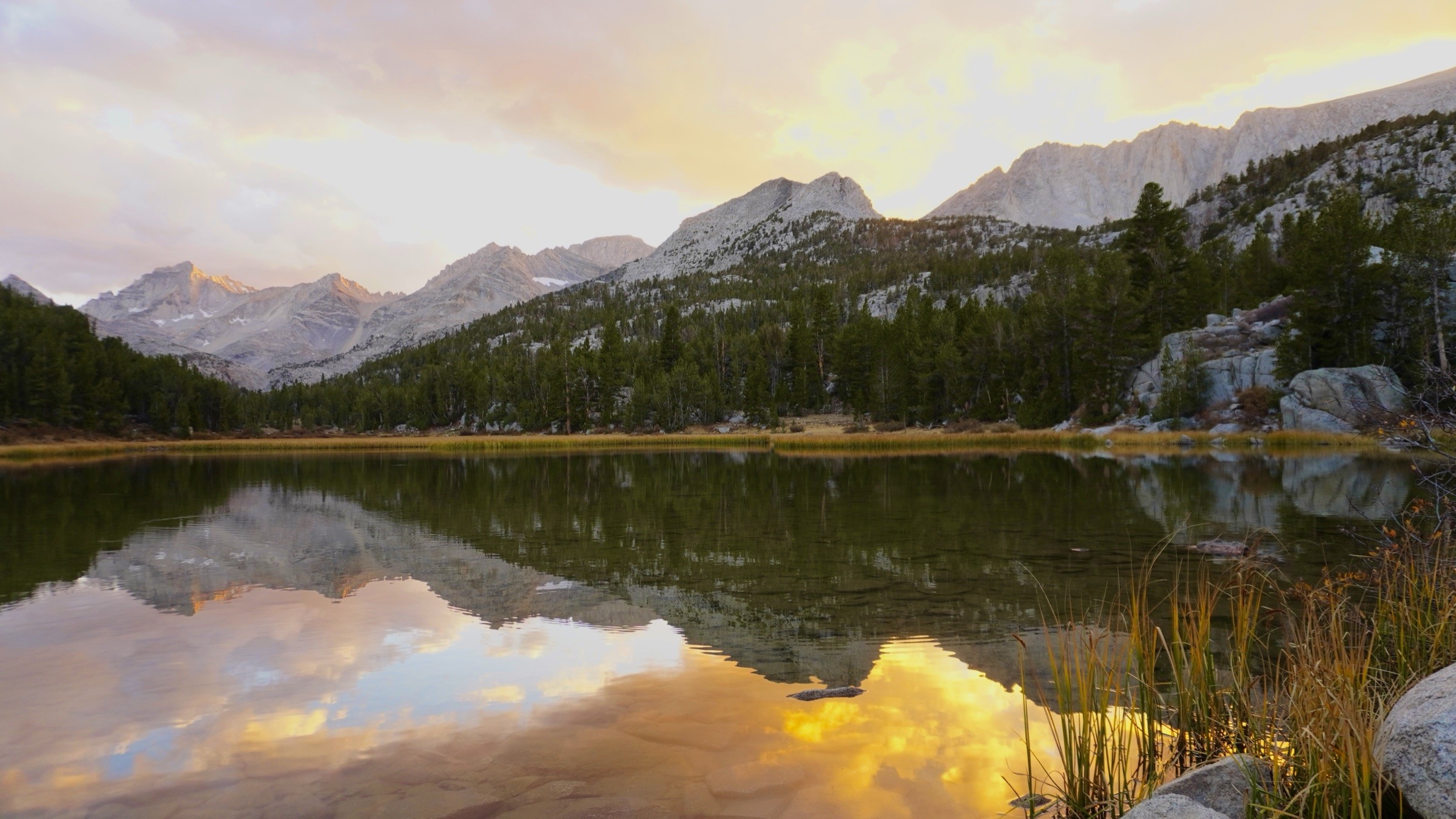
A different kind of second day
The second day of our Eastern Sierra road trip began with a longer hike through Little Lakes Valley toward Long Lake.
The day before had included swimming at Convict Lake, driving through the Mammoth area, and our first night near Mammoth. Day two felt different. Instead of moving from one roadside stop to another, we would spend most of the day on foot.
We started at Mosquito Flat and followed the Little Lakes Valley Trail into the John Muir Wilderness. What I remember most, though, is not the trailhead, the total mileage, or even the final lake.
I remember getting comfortable in my warm truck after several hours of hiking, then deciding to leave it and climb the hardest part of the trail again because I believed the sunset could be extraordinary.
Marsh Lake changed our plans
Marsh Lake was the first obvious lake that stopped me on the hike. There had been creeks along the way, but the lake changed the scale of the landscape. Water opened beneath the mountains, and everything suddenly felt larger.
It was beautiful in the middle of the day. I also immediately knew it could become something completely different around sunset.
I had seen that transformation before in the Tetons. As the sun drops, the wind can soften, the insects can disappear, and water that moved all afternoon can begin reflecting the mountains like a mirror. For a few minutes, the entire place can feel completely still.
We already had other plans for sunset. I abandoned them as soon as I saw Marsh Lake. I had not seen Long Lake or the rest of the route yet. I simply had a strong feeling that if we returned at the right time, it would be worth it.
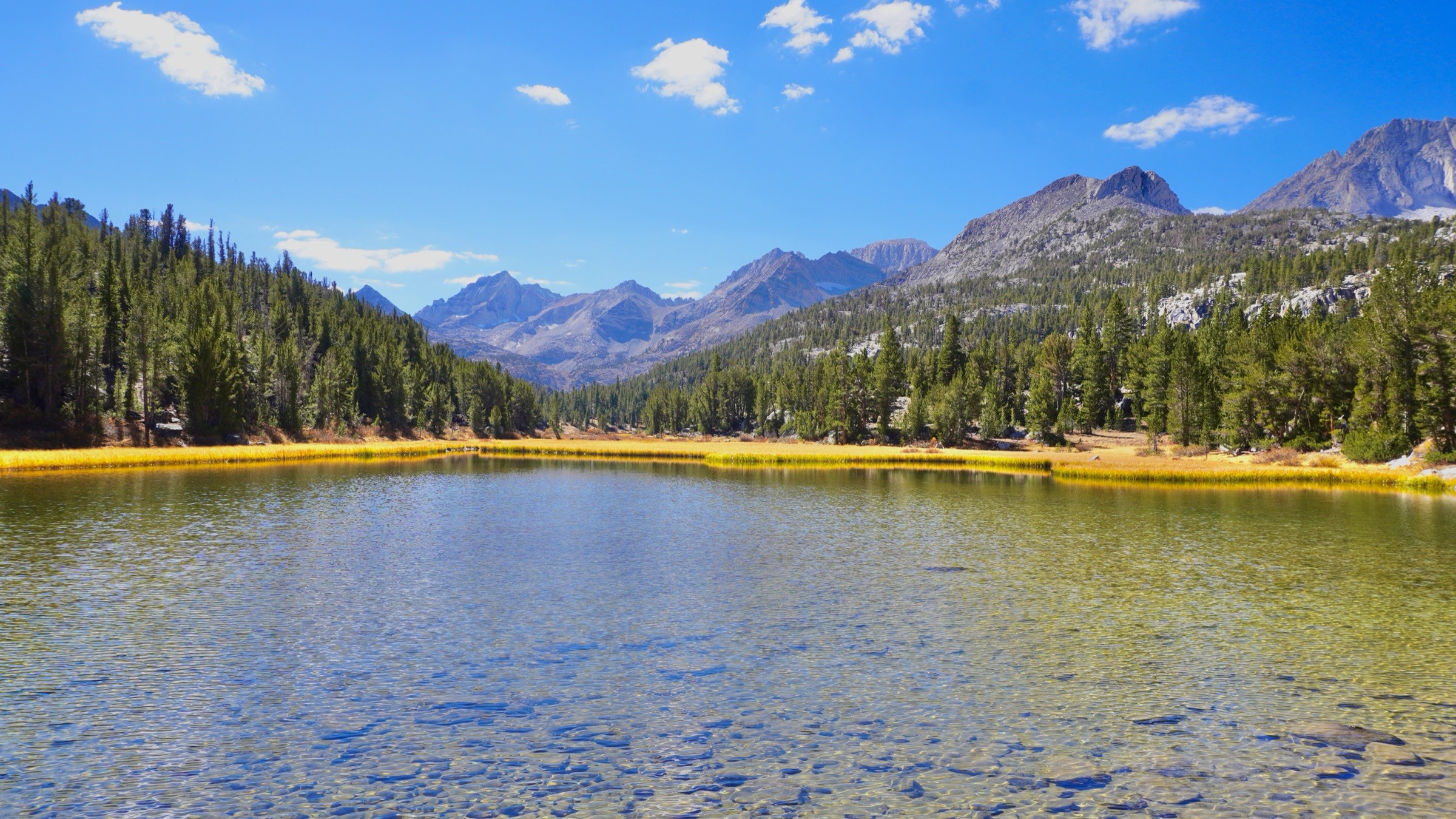
Continuing to Long Lake
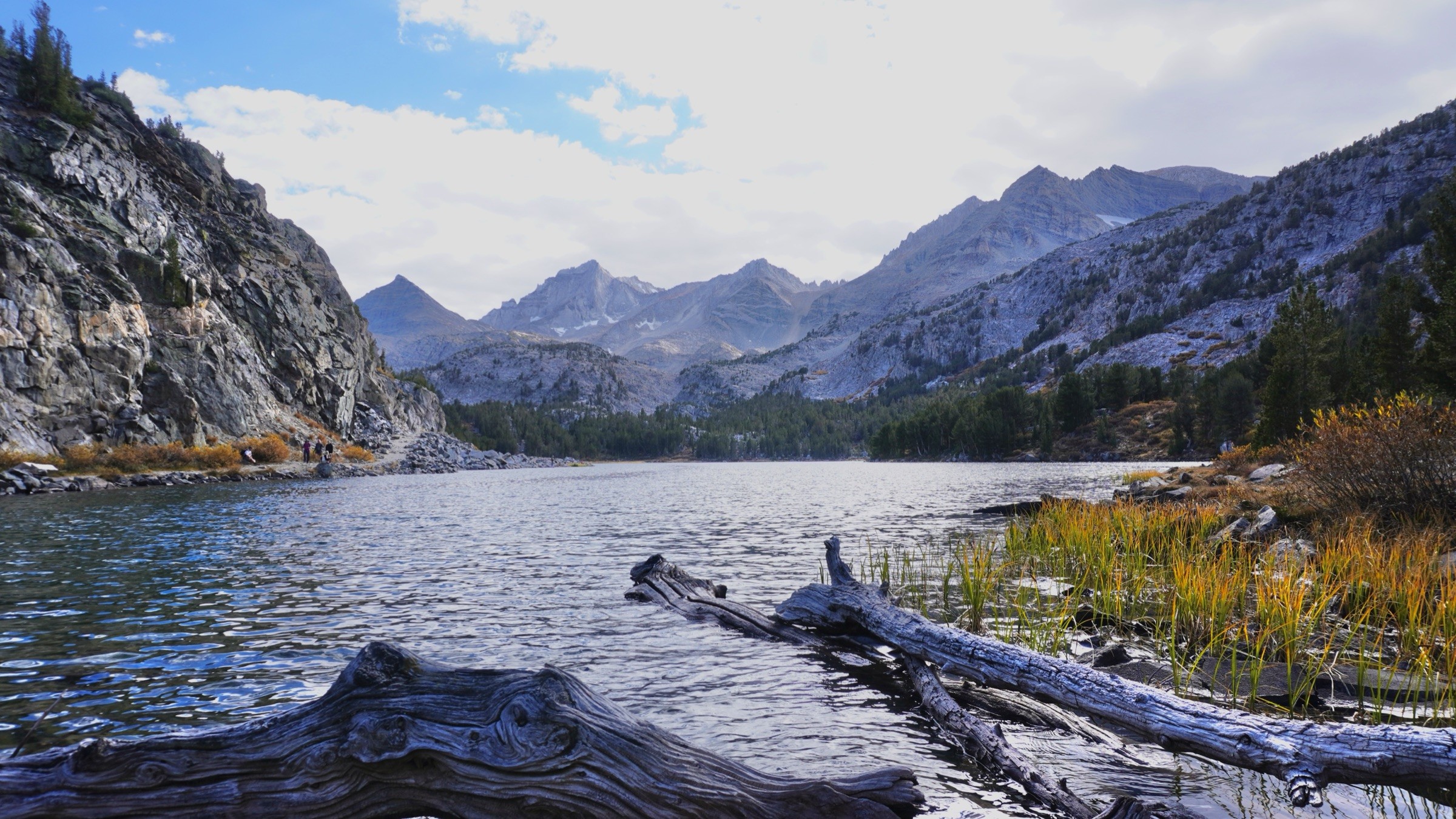
We kept hiking until we reached Long Lake. By then, it was around three or four in the afternoon. The temperature had begun to fall, and wind crossing the cold water made it feel even colder.
The lake sat beneath granite peaks and the kind of mountain terrain that makes distance difficult to judge. A ridge can look close until you notice how small the people beneath it appear.
By my rough estimate, we covered about seven miles altogether that day, including the return trip for sunset. I was not exhausted after the main hike, but the first section of the trail contained the steepest early climb.
That meant returning to Marsh Lake would require repeating the hardest section.
We hiked back to the truck, turned on the heater, ate a snack, and finally got warm. We grabbed jackets, headlamps, and what we would need after dark.
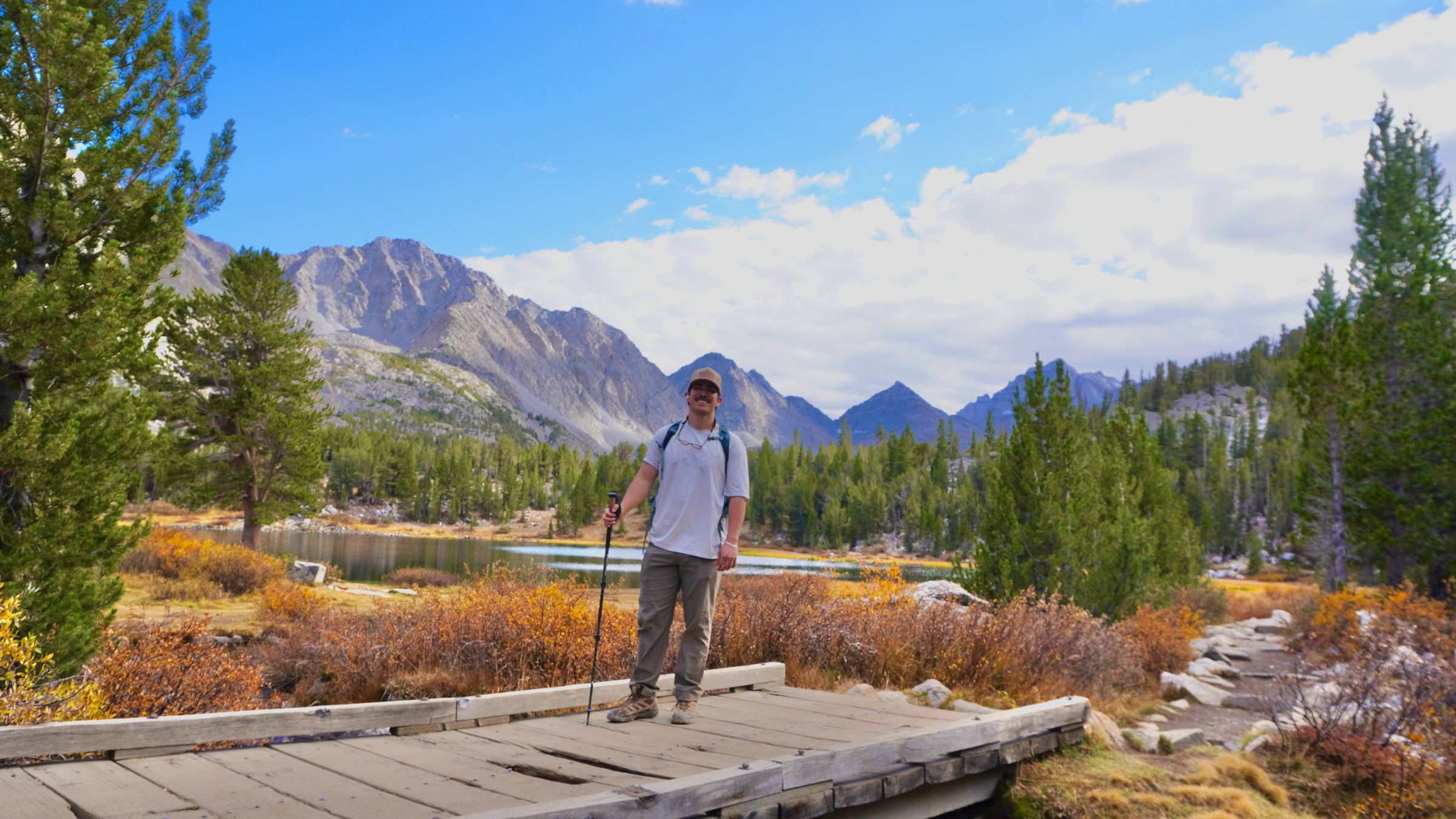
The hardest mile came after comfort
There is a specific kind of resistance that appears once I am already comfortable.
If we had stayed in the truck, nothing terrible would have happened. We had completed the main hike. We had seen Long Lake. We were warm, safe, and could have moved on with the evening.
Instead, we stepped back into the cold and started climbing.
Marsh Lake was nearly a mile from the trailhead. The return meant roughly two more miles, including that first uphill section for the second time, with the final stretch happening in darkness. Temperatures were expected to fall below freezing that night. We had headlamps, warm layers, and enough time, but comfort was waiting behind us in the truck.
That made the decision simple to understand and surprisingly difficult to execute.
I kept going because I could already picture what the lake might become.
When the water became a mirror
The sunset justified every step.
As the light lowered behind the mountains, the surface of Marsh Lake became calmer. The insects that had been active earlier seemed to disappear. The wind softened, the colors changed, and the reflection became almost perfectly still.
For a short time, the whole landscape felt quiet.
Mountain sunsets are difficult to beat. An alpine lake makes them even better because the water gives you the sky twice: once above you and once in the reflection below.
My dad often repeated a saying he heard from his great-grandmother: the best things in life are free. It is a common phrase, but moments like this are why it stayed with me. The sunset did not require a reservation or an expensive piece of equipment. We only had to recognize what might happen, make the effort to return, and be there when it did.
Learning that I like to chase sunsets
As I get older, I am still learning what I genuinely enjoy—not what sounds productive, impressive, or useful, but what I would choose when no one else is keeping score.
I have learned that I like chasing sunsets. I like finding a good place and watching the light unfold almost like a movie: a beginning, a few minutes when the colors reach their peak, and then a gradual ending as the cold and darkness take over.
I am also developing a real interest in landscape photography. I like finding a place that looks almost impossible, trying to understand the light, and preserving some version of what it felt like to stand there.
Beyond this hike, flying a drone has become another favorite hobby. I played with remote-controlled cars when I was young, and a drone feels like an RC car on steroids. It gives me a different way to study a landscape and understand how its pieces fit together.
A camera, a Coke Zero, and a beautiful place have become a pretty accurate description of a good afternoon for me.
Not every hobby needs to become a company, a strategy, or a way to improve myself. Sometimes the value is simply that I enjoy doing it.
A day mostly away from work
Unlike our first evening at camp, I was mostly disconnected from work during this hike.
We did use Starlink for directions because cellular reception was unreliable in parts of the area. We could set it up near the truck, confirm where we were going, and avoid pretending that getting lost was somehow more authentic than using the technology available to us.
Beyond that, I largely put the acquisition, ChatGPT, and my other projects away for the day.
That was possible because much of the difficult groundwork had already been completed before I left. I knew the business would not be harmed because I spent a day hiking. Nothing required me to manufacture anxiety simply to prove that I was responsible.
Stepping away without preparing can create problems for everyone who depends on me. Preparing well enough to step away is different. It means the work is secure enough that it does not demand every minute of my attention.
I still love building things. I still think about AI, business, and the projects in front of me more than most people probably would on vacation. But on this day, the work was safe. The mountains deserved my attention.
A wider definition of living fully
The younger version of me would have struggled to understand the value of a day like this.
He might have seen the hike as lost working time. He might have asked what measurable result came from walking several miles, returning to the truck, and then walking the hardest mile again for a sunset.
There was no immediate return on investment.
There was a lake becoming a mirror. There was the cold arriving after dark. There was the satisfaction of knowing we almost stayed in the truck and went anyway. There were photographs I will keep and a story I can now tell.
Traveling through Europe had already begun changing my understanding of experience. This trip reinforced that lesson closer to home. Living fully does not require abandoning ambition. For me, it means building responsibly enough that I can step away sometimes and actually notice where I am.
I am still learning how to squeeze more out of life without turning every moment into another form of optimization.
Sometimes that looks like working hard before a trip so the business is secure. Sometimes it looks like using Starlink because getting directions is practical. And sometimes it looks like leaving a warm truck, putting on a headlamp, and climbing one more cold mile because the sunset might be worth it.
This one was.
SOURCES
Check the original sources
What to remember
- The most difficult part was leaving comfort after the main hike was already complete.
- Preparation made it possible to step away from work without pretending responsibility no longer mattered.
- Photography, sunsets, and being outside are becoming genuine interests—not activities that need to justify themselves through productivity.
STAY IN TOUCH
Follow the record as it is built.
Tim shares plain-English lessons from building companies, serving communities, and improving institutions—work that is developing the judgment and operating range for broader responsibility over time.