EVIDENCE & LIMITS
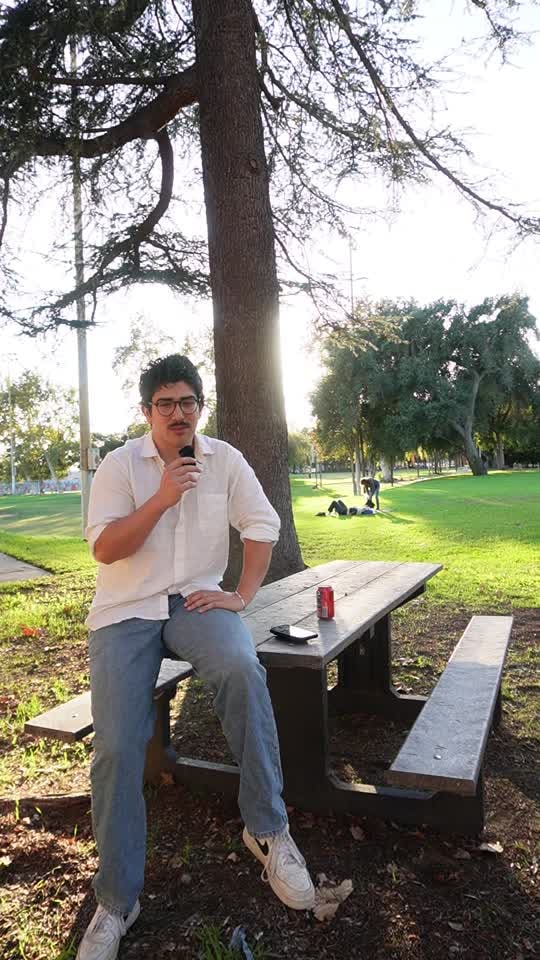
From a Q&A I recorded outdoors on October 25, 2026. This is something I am still learning, not a formula I have mastered.
I could hear the script
I had tried to make a point in an earlier video. I believed the point, but the way I said it felt forced. I had AI help write it, and I could hear that in the result.
So on October 25, I took the camera outside. I had questions to answer. I wanted to speak more normally and see what came out.
That did not suddenly make being on camera feel natural. I was still figuring it out. But I wanted more of my own personality in the video.
You can practice most things where no one sees
If you want to learn to shoot a free throw, you can miss in an empty gym. If you are learning to drive, you can find a quiet place to practice.
You still make mistakes. You still feel awkward. But those early attempts do not all need an audience.
Content feels different to me. At some point, the work of learning includes letting people see the attempt. You can know a video is rough and still have to decide whether to put it out.
That is the part I find hard. It is not just being bad at a new skill. It is knowing other people can watch while you are bad at it.
The rough part does not erase the reason
I keep trying because I have a picture of what I want to build and how I want to share it. The result in front of me does not always match that picture yet.
That gap can be uncomfortable. I can hear a stiff line. I can see that a video needs work. None of that means I no longer care about the idea behind it.
I talked about a version of this during my time at Convict Lake, too. Being willing to look a little awkward is part of trying something new.
I do not think every rough video is valuable just because it is rough. I want to improve. I also do not want to make feeling polished a requirement for doing the work.
AI can help without becoming the voice
I still want AI to help me. It can give me questions, help me sort ideas and support the work around a recording. I said in that conversation that it would stay a big part of my workflow.
But I want the answer to come from me. My stories, my reactions and the way I actually talk need room in the result.
For now, I am trying questions instead of relying on a full script. I am testing what fits the way I live and work. I have not settled on one perfect process.
I am still in the practice part
I know communication takes practice. I am learning what that looks like when the practice is visible.
I want to be useful. I want to get clearer. And I want someone watching to get a real sense of the person speaking.
That is what I am working on. The camera can be on before I have it all figured out.
TRY THIS
A small check before recording
Questions for making the next attempt clearer while keeping your own voice.
- Choose a real pointWhat am I actually trying to say?One idea you care about.
- Use your own exampleWhat happened that makes this real to me?A story or detail you can explain plainly.
- Finish the thoughtDid I explain why it matters?A complete answer, with room to sound like yourself.
What to remember
- I am testing a less scripted way to record.
- Learning in public can feel harder because people see the practice.
- AI can support the process while my own words carry the answer.
STAY IN TOUCH
Follow the record as it is built.
Tim shares plain-English lessons from building companies, serving communities, and improving institutions—work that is developing the judgment and operating range for broader responsibility over time.